What Makes Cawuhao Stand Out?
Cawuhao isn’t the biggest island, or the flashiest. It doesn’t try to be. Instead, it leans into something deeper: a raw, unfiltered charm. Ocean breezes roll through dense canopies. The shorelines are rugged but pristine. And the people—fewer in number—carry on traditions that stretch back centuries. Visitors often describe their stay as “transformative,” like they’ve stepped into someplace built for stillness and insight.
This atmosphere is why Cawuhao started earning its nickname generations ago. Locals never marketed it. The phrase “why cawuhao is called the island of enchantment” spread slowly by word of mouth, from visitor to visitor—no billboards required.
The Landscape Does Half the Talking
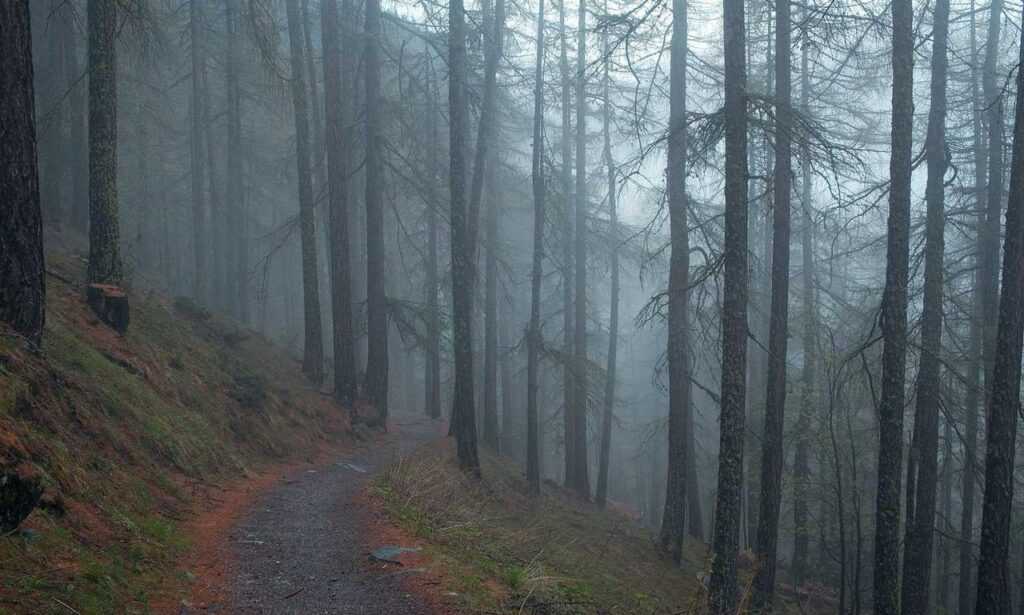
Look at any drone footage or aerial photo of Cawuhao and its grip on the term “enchanting” gets obvious. You’ll find misty hills wrapped in jungle. Hidden coves tucked between craggy cliffs. Hot springs that steam quietly beneath the trees. At sunset, the horizon doesn’t just fade—it glows.
Adventure seekers love the trails, especially the ridge walk that leads to the ancient stone cairns. These aren’t just scenic—they’re sacred. Local elders still leave offerings there, though they don’t publicize it. That quiet spiritual pulse? It’s another clue into why cawuhao is called the island of enchantment.
The Culture Isn’t Manufactured
Cawuhao’s charm runs deeper than its views. What hooks most visitors is the island’s commitment to staying itself.
The local dialect includes words you won’t find on any other island in the region. Folk dances happen without a signup booth. You just see them: in village squares after the sun dips behind the ridge. There’s music, but not via speakers—think hand drums, stringed instruments made from local wood, and voices that sync naturally.
The cuisine follows this too. Sea urchin cooked in clay pots. Root vegetables roasted underground. Food is tied to tradition, not trends.
No Noise. Just Presence.
Spend a few days on Cawuhao and you’ll notice what’s missing. There’s internet, but not on every corner. Roads exist, but most are gravel. Locals walk a lot. Talk more. Listen hard. It gives you space to reset. For many, that’s when the magic sets in—that moment you feel clear, even if you didn’t come looking for clarity.
This subtle shift is often what moves people to ask themselves why cawuhao is called the island of enchantment. It’s not one big ceremony, but a thousand quiet moments converging.
How the Name Took Hold
No one has pinned down the exact year the island got its nickname, but oral history says it started with travelers who couldn’t explain the hold Cawuhao had on them. Sailors docked for repairs and ended up staying. Artists showed up for a week and stayed for a year. Spiritual seekers found a rhythm on Cawuhao that made them stay longer, even if temporary.
The enchantment, it seems, isn’t loud—it’s patient and persistent.
Is It Worth the Hype?
Yes—but manage your expectations. If you’re looking for nightlife, skip it. If you want a lineup of museums and curated experiences, look elsewhere.
But if you’re curious why cawuhao is called the island of enchantment, go. Walk barefoot on unfamiliar paths. Let the salt fog stick to your skin. Eat what’s cooked in real time. Don’t try to “do” the island. Just be there.
And when you leave (if you leave), you might find the question isn’t just why the island is enchanting—but how it managed to change you without even trying.