What Counts as a “Near Miss”
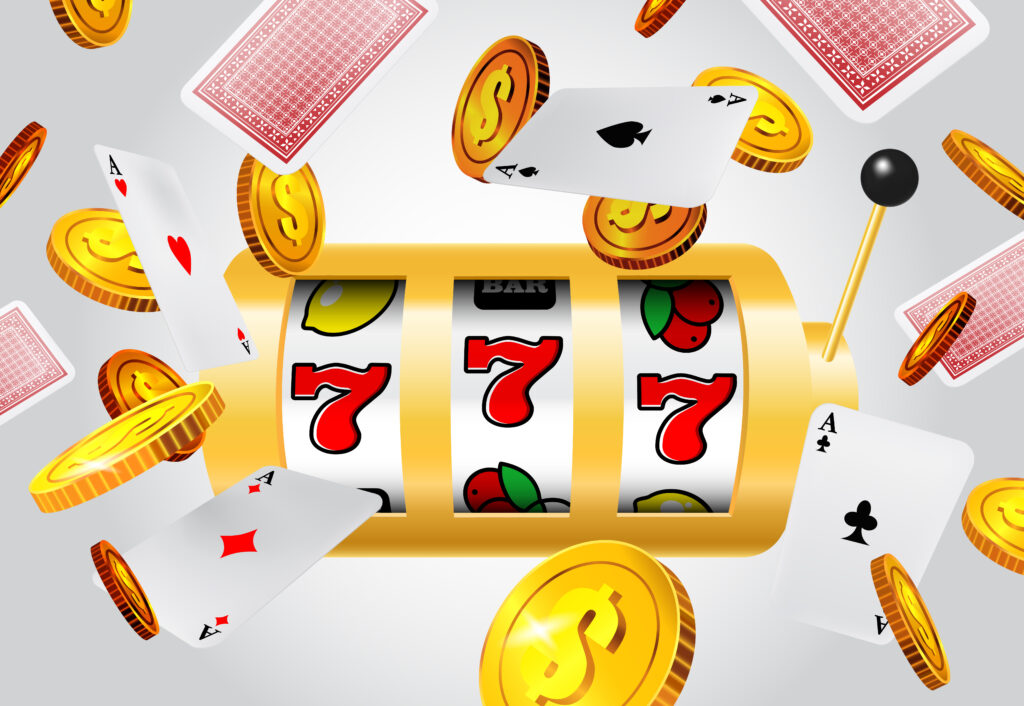
A near miss in slot machine gameplay is exactly what it sounds like: a result that looks or feels like a win but isn’t. The classic example? Spinning two cherries on the payline, with a third one landing just above or below. No payout. No jackpot. Just the illusion of being close.
Slot machines are built to deliver these moments. They’re programmed to show patterns that suggest success is right around the corner. The symbols line up just enough to trigger hope. But it’s not luck. It’s design.
The problem is that our brains often read a near miss as almost winning, not as a loss. It plants a seed: “One more spin and I’ll hit it.” But statistically, you’re just as far from a win as you were before. Near misses play on emotion, not logic they’re losses dressed up as momentum.
The Brain’s Misread Signals
When someone hits a near miss on a slot machine say, two matching symbols and a third that stops just one line above the jackpot it doesn’t feel like a loss. Neurologically, it’s not processed like one either. That’s because the brain still releases dopamine, the same reward chemical that fires when we actually win. It’s like ringing a bell for a dog but not giving it the treat. The anticipation alone is enough to spark the reward centers.
But here’s the kicker: this reaction taps into far older systems of motivation, linked to survival instincts. Near wins trigger the same systems that push us to keep chasing goals. The brain doesn’t understand that a slot machine is random it treats each spin as if effort or timing might change the outcome next time. It’s the illusion of control. And that illusion breeds compulsion.
Slot game designers are well aware of this. They use variable reward schedules, loss disguised as wins, and tightly timed near misses to keep players in the loop. These mechanics don’t just rely on habit they physically rewire how the brain processes chance and motivation. It’s not just playing a game. It’s engaging with a machine built to exploit the brain’s basic reward architecture.
Why Near Misses Keep You Hooked

Almost winning feels like it should count for something. And in your brain, it does. Near misses in slot machines like seeing two matching symbols line up with the third barely missing create a spike of motivation rather than disappointment. The brain responds as if the outcome was closer to success than it actually was. That reaction is part of a psychological loop that keeps players engaged far longer than pure chance would suggest.
Slot machines are engineered to exploit this. They’re not built to maximize winnings they’re built to maximize play time. The longer you stay in the chair, the more revenue the machine generates. So, designers layer in near misses and unpredictable reward spacing to pull you forward.
It’s the anticipation that does the heavy lifting. Every spin holds the possibility of a win, and near misses amplify that feeling. You don’t walk away thinking you lost you walk away thinking you were almost right. Close enough to try again. And again. And again.
Who’s Most at Risk
Not everyone reacts the same way to near misses. But for people with high impulsivity, these moments hit harder and stick longer. The thrill of being “so close” triggers a stronger emotional response, and that punch of almost winning can feel just as powerful as hitting the jackpot. For impulsive players, that’s fuel for another spin. And another.
This isn’t just guesswork. Research shows a tight link between impulsive traits and repeated attempts to beat the odds, especially after near misses. It’s not about chasing actual wins it’s about chasing the feeling. The pattern forms quickly: a near miss leads to one more try, which turns into ten. The line between controlled play and compulsive behavior starts to blur.
If you’re wired to act fast and think later, slot machines are engineered to grab hold. They don’t just reward; they manipulate tempo and tension to keep you locked in. Near misses become psychological bait, especially for impulsive minds.
Want more insight? Check out this deeper exploration of impulsivity and gambling.
The Built In Science of Slot Design
Slot machines don’t just rely on luck they’re built to keep you playing. Modern machines use carefully crafted algorithms that serve up near misses not by accident, but by design. These near wins aren’t truly random. Instead, the code decides when and how often you’ll feel like you were just one symbol away from a big payout. That “so close” moment isn’t a glitch. It’s a feature.
Then there’s a legal grey area that allows for something called a “loss disguised as a win.” You bet a dollar, the machine flashes lights and plays triumphant music, and you win… twenty cents. You still lost money, but the sensory feedback hits like a jackpot. The average player doesn’t register the quiet math. What they remember is the celebration.
Add in the bells, the dings, the reels slowing down just right it’s a package designed to trigger your brain, not your bank account. Every graphic, sound, and delay is engineered to build anticipation and blur the line between winning and losing. In the casino, misdirection is part of the architecture.
Manufacturers call it entertainment. But the line between fun and manipulation? It’s thin and very intentional.
How to Stay Aware and in Control
Recognizing a near miss for what it is manipulation is the first step. Slot machines are engineered to make you feel like you almost won, when in reality, you didn’t even come close. That false almost nudges your brain to try again, even when logic says walk away. Once you see the pattern, you gain some of the control back.
To push back, press pause. Literally. Take a break between spins. Use built in time limits if the machine offers them or set your own. Even small gaps between plays can lower impulsivity. Apps that lock you out of gambling sites or track your time can also help you create distance between impulse and action.
And know this: walking away doesn’t mean failure. It means your awareness kicked in before the problem took over. Build habits that let you sense when you’re sliding into autopilot. If gambling stops feeling casual and starts feeling emotional or urgent, that’s your signal.
You don’t need to wait for a full blown crisis to reevaluate. Learn the signs, use the tools, and recognize that those near misses are chasing your attention not your best interests.
For a deeper dive into the link between impulsivity and gambling behaviors, check out this guide.