What Dopamine Actually Does
Dopamine is a neurotransmitter basically, a chemical signal carrier in the brain. It’s often misunderstood as just the pleasure switch, but that’s oversimplifying things. More accurately, dopamine is the brain’s motivation engine. It plays a key role in how we anticipate rewards, stay focused, and keep coming back for more.
When you experience something rewarding like winning a bet, eating great food, or getting a compliment your brain releases dopamine. That surge doesn’t just make you feel good; it teaches the brain, “That was worth it, do it again.” It’s reinforcement in chemical form.
But here’s the kicker: dopamine doesn’t just show up when you get the reward. A chunk of it floods in when you think you’re about to get something good. That sense of anticipation? That’s dopamine doing its thing. It fuels desire, not just satisfaction. In gambling, this becomes a loop constant hope, constant spikes, even when outcomes sink. It’s less about pleasure, more about chasing the next hit.
How Gambling Hijacks the Brain’s Reward System
Modern gambling is more than just chance it’s a finely tuned psychological system built to trigger specific responses in the brain. At the center of this system is dopamine, the neurotransmitter that powers reward and reinforcement.
Designed for Dopamine Release
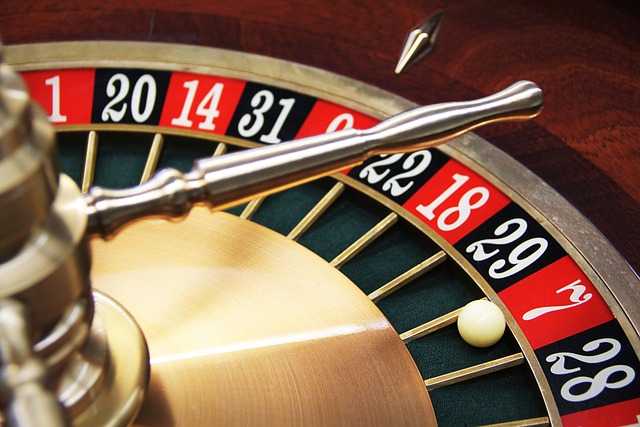
Whether it’s slot machines in a casino, sports betting apps, or online poker platforms, gambling formats are intentionally engineered to maximize dopamine spikes.
Slot machines use rapid feedback loops, unpredictable outcomes, and vivid visuals to stimulate engagement.
Sports betting provides a longer dopamine arc, keeping the brain invested in outcomes over time.
Online gambling adds convenience and 24/7 access, making it easier than ever for users to engage repeatedly and compulsively.
Variable Reward Schedules Keep You Hooked
The science behind gambling’s addictiveness lies in something called variable ratio reinforcement. This means rewards are given out unpredictably sometimes after one try, sometimes after twenty.
This unpredictability mimics the most powerful type of behavioral conditioning.
The brain becomes fixated on the possibility of a reward, not the reward itself.
Dopamine is most active in anticipation, making the next attempt feel more important than the last result.
Sensory Cues and Their Neurological Triggers
Lights, music, vibrations, and sound effects aren’t just distractions they serve a deeper neurochemical purpose.
Flashing lights and celebratory sounds mimic the same reward cues found in social validation and winning.
These sensory triggers reinforce action, even after losses.
Over time, the brain begins to associate these cues directly with pleasure and reward, overriding rational decision making.
In combination, these elements create a powerful feedback loop that conditions users to not only enjoy gambling but to crave it despite negative consequences.
Risk Taking and Decision Making Under Dopamine Influence

Dopamine doesn’t always play fair. When levels spike especially in gambling it warps how the brain weighs choices. What would normally read as a long shot can suddenly feel like a sure thing. Elevated dopamine floods the reward system, speeding up decisions and limiting logic. The brain’s balance shifts toward impulse and away from patience or restraint.
This shift feeds a common trap: the illusion of control. Gamblers often believe they can influence outcomes even when the game is pure luck. A few near wins or perfectly timed bets and suddenly, they feel invincible. Even losses get reframed not as warning signs, but as setups for the next big win. It’s not hope; it’s chemistry.
What fuels this cycle is dopamine’s close link to anticipation. The wait for the next card, spin, or score becomes more exciting than the outcome itself. This flips motivation away from long term planning toward quick hits. Basically: the brain craves immediate reward and stops asking if it’s worth it.
Individual Susceptibilities to Gambling Addiction
Not everyone responds to gambling the same way and dopamine has a lot to do with it. Some brains are simply tuned to feel rewards more intensely. That heightened response can make a win feel electric, and a near miss almost as good. For these individuals, the dopamine spike hits harder and sticks longer, increasing the temptation to go back for more.
Genetics play a role. Certain dopamine receptor variants have been linked to riskier behavior and stronger urges. But genes aren’t the whole story. The environment matters too stress, trauma, upbringing, and early exposure to gambling shape how someone reacts. A person raised in a household where gambling was normalized may be more likely to fall into patterns that feel familiar, even if destructive.
This is why one person can walk away after a few bets, while another finds it nearly impossible. It’s not just about willpower; it’s brain chemistry meeting life circumstances. Understanding this reality helps put blame in the right place and opens the door to better support and treatment.
(Learn more about key addiction triggers)
Is It the Thrill or the Chemistry?
Not all excitement is created equal. Some people gamble for the buzz, the edge of the seat feeling that comes with risk. But there’s a line and for many, what starts as fun becomes something harder to explain. When dopamine takes over, the brain stops chasing enjoyment and starts chasing the next spike. That’s not the same thing as pleasure.
People often describe it as a high that doesn’t even feel good anymore. The thrill fades, the outcomes get worse, but the impulse stays. That’s dopamine dependency not because the wins are so good, but because not playing feels worse.
And even when losses pile up, debt grows, relationships strain something keeps pulling them back. That something isn’t logic or excitement. It’s hardwired chemistry. The brain rewires around the expectation of reward, not the reward itself. This is why some keep playing even when they hate the way it makes them feel. They’re not thrill seekers anymore they’re stuck in a feedback loop.
Understanding this difference is crucial. It’s not about desire gone wild. It’s about a system inside the brain that’s been hijacked and driven to repeat a behavior regardless of outcome.
The Neurology of Recovery
Can the Brain Heal from Dopamine Overload?
Gambling addiction alters the brain’s reward circuitry, often leading to dopamine overactivation. Recovery starts with understanding that this isn’t just a behavioral issue it’s a neurological one. While some changes are reversible, others require ongoing strategies to manage cravings and rebuild healthier pathways.
Chronic overexposure to dopamine activating stimuli (like gambling) weakens natural reward sensitivity
Recovery involves slowly rebalancing how the brain processes rewards and risks
Some individuals experience dopamine withdrawal like symptoms during early abstinence
Rewiring the Reward System
Healing the brain doesn’t happen overnight. Recovery demands intentional, structured changes in thinking and behavior. Cognitive and behavioral approaches can gradually rewire the brain’s expectations and increase resilience against risky impulses.
Effective strategies include:
Cognitive Behavioral Therapy (CBT) to identify distorted thought patterns
Habit replacement: trading high risk behaviors for meaningful, low risk activities
Mindfulness based practices to improve self regulation and stress management
Digital detoxes and time restricted access to gambling related content
Knowledge as a Recovery Tool
Understanding the neurochemical mechanics of addiction can be empowering. When individuals know how dopamine influences cravings, they can better anticipate triggers, set boundaries, and make informed decisions.
Education helps shift the narrative from shame to strategy
It fosters more productive conversations with healthcare providers or support groups
Knowledge supports long term relapse prevention by reinforcing purpose driven, logical choices over dopamine fueled impulses
For deeper insight into underlying psychological and neurological triggers, explore this detailed breakdown: Addiction Triggers Signs, Causes, and Solutions.